

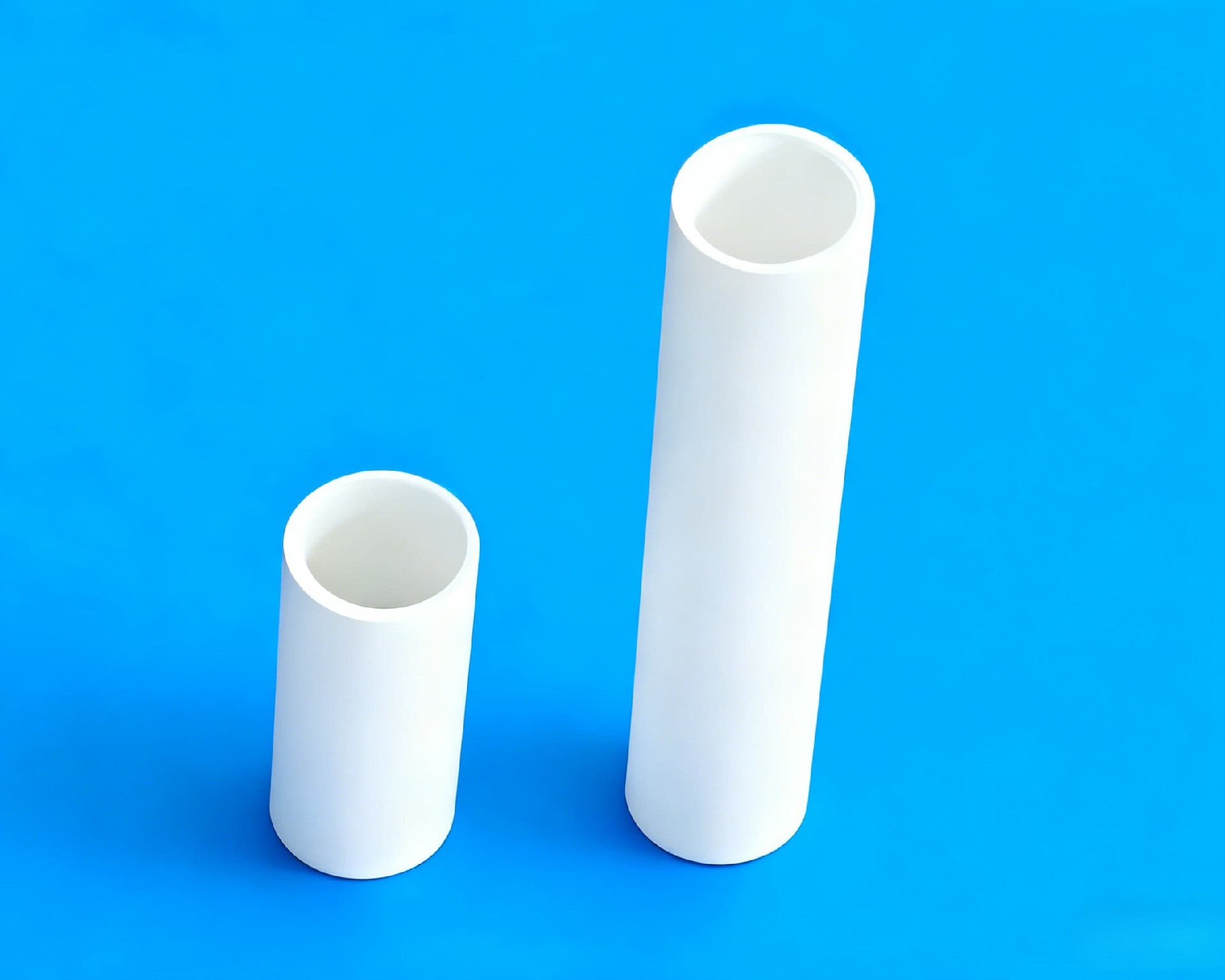
Introduction to high-performance porous membrane tubes
Key features are prominent: the interior is filled with uniform through-holes ranging from 0.05 to 50μm, with a narrow distribution and flexible design of size, ensuring emulsification uniformity. It can withstand temperatures up to 500℃, possesses excellent mechanical strength and thermal insulation properties, and its surface can be chemically modified to achieve hydrophilicity/hydrophobicity or introduce organic functional groups. It has strong corrosion resistance, tolerating most reagents except strong alkaline liquids and hydrofluoric acid, and is not eroded by mold or bacteria. The three-dimensional interwoven pore structure ensures stable performance.
The product offers a wide range of specifications: tubular specifications include outer diameters of φ5mm (thickness 0.4mm, length 10-250mm) and φ10mm (thickness 0.7mm, length 10-500mm), with fine pore sizes available upon request; it supports customization for various forms such as special surface grinding, thick-walled plate-like, and powdered forms, adapting to different scene needs.
Widely applicable across multiple fields: It can achieve various emulsification types such as O/W, W/O, and W/O/W, and excels in scenarios such as optimizing cosmetic textures, coating pharmaceutical active ingredients, and industrial production of chemical products. It also boasts advantages of energy saving and minimal thermal impact.
Convenient to use and maintain: Avoid high temperatures, strong acids and alkalis, and excessive pressure. Seal unused products for storage. After long-term idleness, they can be regenerated through high-temperature sintering for reuse at a low cost. They are suitable for all scenarios in research and development as well as industrial production.
We are committed to providing advanced laboratory and research services that meet the highest standards of quality and precision.

Copyright © 2026 Yantai Shenghua Biotechnology Co., Ltd.


